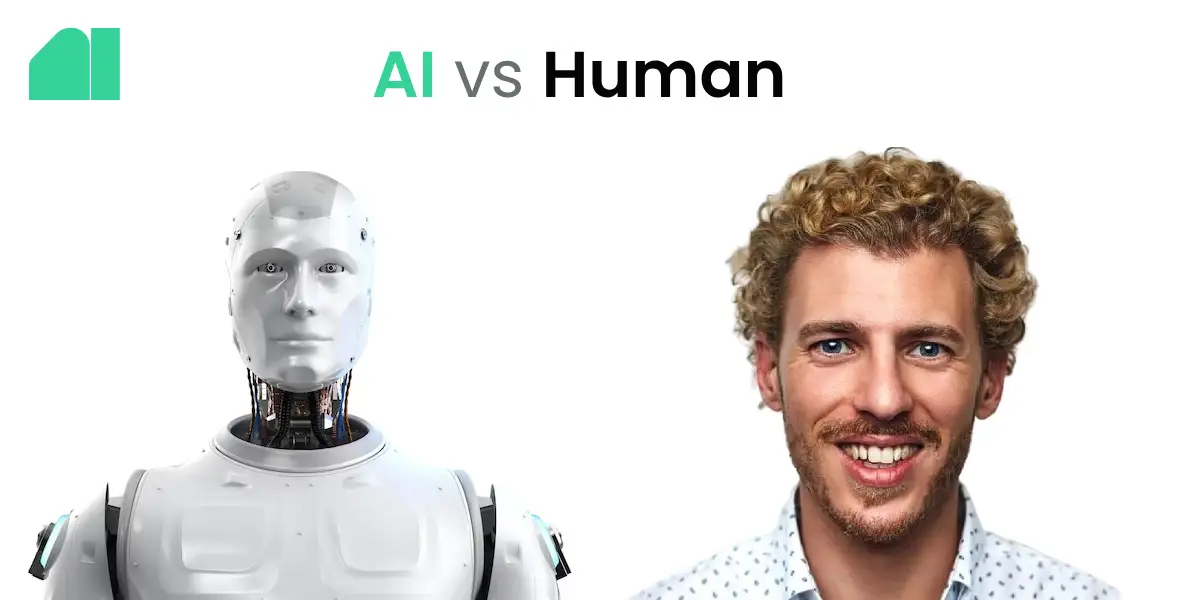
The rise of artificial intelligence (AI) and automation has sparked intense debate about the future of employment.
As AI-powered machines take over repetitive tasks and even complex decision-making processes, concerns about job losses have become widespread.
However, history suggests that while technological advancements disrupt industries, they also create new opportunities.
The question remains: Will AI replace jobs, or will it generate new ones?
The Reality of Job Displacement
AI automation is undoubtedly reshaping the workforce by replacing repetitive and manual tasks.
Some of the most affected industries include:
Manufacturing: Robotics and AI-driven systems have streamlined assembly lines, reducing the need for manual labour.
Retail: Self-checkout machines and AI-powered customer service bots are minimizing human involvement in transactions.
Transportation: Autonomous vehicles and AI-driven logistics are revolutionising the industry, potentially reducing the demand for drivers.
Administrative Roles: AI-driven automation tools are handling data entry, scheduling, and other routine office tasks.
While these changes pose challenges for workers in affected fields, the shift toward AI also presents new opportunities.
The Creation of New Job Opportunities
Historically, technological advancements have led to the emergence of new roles, often requiring a different skill set.
The AI revolution is no different. Some of the new job opportunities created by AI automation include:
AI and Machine Learning Specialists: The rise of AI increases the demand for professionals who can develop, maintain, and improve AI systems.
Data Analysts and AI Trainers: AI models require vast amounts of data and human training to function effectively, creating new roles focused on data processing and AI supervision.
Cybersecurity Experts: With AI-driven automation comes the need for enhanced security, creating demand for experts to protect AI systems from cyber threats.
AI Ethics and Compliance Officers: As AI becomes more integrated into business operations, ethical considerations and regulatory compliance require specialized roles.
Human-AI Collaboration Experts: Many industries will need professionals to bridge the gap between human workers and AI-driven processes.
The Shift Toward Reskilling and Upskilling
To mitigate the impact of AI on employment, organizations and governments must invest in reskilling and upskilling programs. Key strategies include:
Education and Training: Encouraging workers to gain expertise in AI, programming, and data analysis.
Lifelong Learning Initiatives: Promoting continuous learning to help employees adapt to evolving job requirements.
Public-Private Partnerships: Governments and businesses collaborating to develop AI-focused training programs.
The Future of Work: AI and Humans Working Together
Rather than replacing human workers entirely, AI is more likely to complement human labour.
In many industries, AI enhances productivity by automating mundane tasks, allowing employees to focus on more strategic and creative work.
The most successful workplaces will be those that integrate AI with human expertise, leveraging the strengths of both.
Conclusion
AI automation is transforming the workforce, leading to both job displacement and the creation of new opportunities.
While some roles may disappear, others will emerge, emphasizing the need for adaptability and continuous learning.
The future of work will not be a battle between AI and humans but rather a collaboration where technology enhances human potential.
The key lies in preparation—equipping the workforce with the skills needed to thrive in an AI-driven world.
What do you think? Will AI be a job killer or a job creator? Share your thoughts in the comments!